
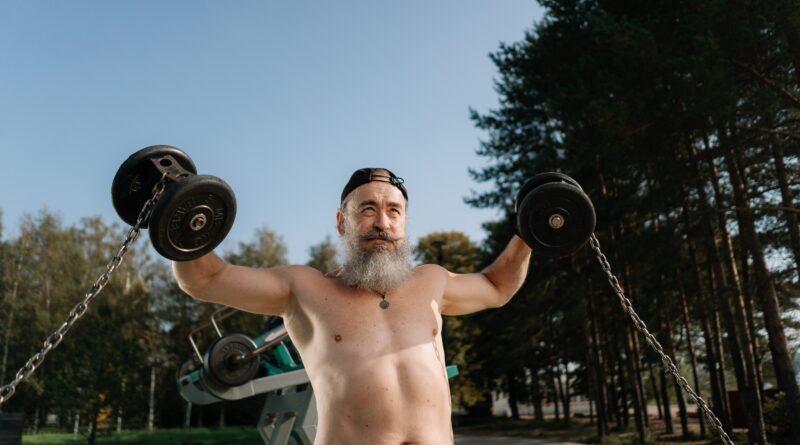
What Are The Best Exercises for Men Over 45 to Naturally Support Healthy Testosterone Levels?
As men age, maintaining healthy testosterone levels becomes increasingly important for energy, muscle strength, metabolism, libido, and overall well-being. Many men over 45 notice changes such as reduced stamina, slower recovery, increased body fat, and declining muscle mass. Fortunately, exercise remains one of the most effective natural ways to support testosterone production. This guide explains the best exercises to naturally increase testosterone after 45, including strength training, bodyweight workouts, HIIT, sprinting, and recovery strategies to help you stay strong and active as you age.
What Happens to Testosterone Levels After Age 45?
After age 45, testosterone usually declines gradually, especially in men—it does not suddenly “crash.” In men, levels commonly fall by roughly 1% per year after about age 30, although the rate varies considerably between individuals.
In men
Possible effects of lower testosterone include:
- Reduced sex drive or fewer spontaneous/morning erections.
- Erectile difficulties.
- Lower energy, strength, muscle mass, or endurance.
- Increased body fat.
- Low mood, irritability, or difficulty concentrating.
- Reduced bone density in more significant cases.
Age alone does not prove testosterone deficiency. Obesity, diabetes, poor sleep or sleep apnea, chronic illness, stress, and medicines such as opioids or corticosteroids can also lower testosterone.
Can Exercise Increase Testosterone Naturally?
Yes—but mostly temporarily, not as a large permanent increase. Challenging resistance training and moderate-to-high-intensity exercise can raise testosterone briefly after a workout, while research finds little consistent effect on resting testosterone in otherwise healthy men.
Best approach
- Do resistance training 2–4 times weekly, emphasizing major muscle groups and compound movements such as squats, rows, presses, deadlifts, or their body-weight alternatives.
- Add regular aerobic activity or occasional intervals for cardiovascular health and weight management.
- Progress gradually and allow recovery; excessive endurance training, inadequate calories, poor sleep, and overtraining can work against hormonal health.
- If overweight, exercise-related fat loss may help testosterone because obesity is associated with lower levels.
Not all forms of exercise produce the same hormonal response. Certain types of training appear to be more effective than others in supporting healthy testosterone levels.
1. Strength Training: The Gold Standard
Resistance training is widely considered the most effective form of exercise for supporting testosterone production.
When you challenge large muscle groups with moderate to heavy weights, your body responds by releasing anabolic hormones, including testosterone and growth hormone.
Best Strength Exercises
Focus on compound movements that engage multiple muscle groups simultaneously:
- Squats
- Deadlifts
- Bench Press
- Pull-Ups
- Bent-Over Rows
- Overhead Press
- Lunges
- Dips
These exercises recruit a large amount of muscle mass, creating a stronger hormonal response than isolation exercises such as bicep curls.
Related Story
At What Age Does a Man Stop Ejaculating? — A Complete Guide
Recommended Routine
For men over 45:
- Strength train 3 to 4 times per week
- Perform 3 to 5 sets per exercise
- Aim for 6 to 12 repetitions
- Use challenging but manageable weights
- Prioritize proper form over heavy lifting
Consistency is more important than intensity alone.
2. Bodyweight Exercises: Effective and Accessible
You do not need an expensive gym membership to gain hormonal benefits.
Bodyweight exercises can provide significant stimulation, especially for beginners and intermediate exercisers.
Effective Bodyweight Exercises
- Push-Ups
- Pull-Ups
- Chin-Ups
- Squats
- Lunges
- Step-Ups
- Dips
- Planks
- Mountain Climbers
These exercises help build functional strength, improve mobility, and increase muscle activation.
3. Do Push-Ups and Pull-Ups Increase Testosterone?
Yes, they can contribute to a testosterone-friendly environment by building muscle and increasing strength. However, their effect is greatest when they are part of a comprehensive training program that progressively challenges the body.
Doing hundreds of easy repetitions every day is generally less effective than performing progressively harder variations.
4. How HIIT Workouts Support Healthy Testosterone Levels?
HIIT can support healthy testosterone levels by improving fitness, reducing excess body fat, and enhancing metabolic health. However, its direct effect on testosterone is usually short-lived and modest, not a permanent “boost.”
How does HIIT affect testosterone?
- A single HIIT session can raise testosterone immediately after exercise.
- This rise typically fades within 30–60 minutes, may dip temporarily afterwards, and generally returns to baseline within 24 hours.
- Consistent HIIT may modestly improve resting testosterone in some previously sedentary or older men, but results are mixed and depend on age, fitness, body composition, sleep, and recovery.
The larger benefit may be indirect: HIIT can help reduce obesity and improve insulin sensitivity, cardiovascular fitness, sleep, and muscle retention—factors associated with healthier testosterone regulation.
A Practical Routine
For a healthy adult, try HIIT 1–3 times per week, with at least one recovery day between hard sessions:
- Warm up for 5–10 minutes.
- Perform 6–10 rounds of 20–30 seconds of hard effort.
- Recover for 60–120 seconds at an easy pace between intervals.
- Cool down for 5 minutes.
Use cycling, brisk uphill walking, rowing, swimming, or running. Beginners and people over 45 should start with lower-impact intervals rather than all-out sprints.
Avoid Overdoing It
More intensity is not always better. Too much HIIT combined with insufficient sleep, inadequate food, or heavy strength training can increase fatigue and impair recovery. Pair HIIT with regular resistance training, adequate protein and calories, and 7–9 hours of sleep.
If you have persistent low libido, erectile problems, loss of strength, or unusual fatigue, don’t rely on HIIT alone—testosterone deficiency requires symptoms plus repeatedly low morning blood-test results for diagnosis.
Related Story
Sexual Health After 40: What Changes and What’s Normal
5. Walking: The Most Underrated Exercise
Walking may not directly trigger large spikes in testosterone, but it supports many factors that influence hormone health.
Benefits of Daily Walking
- Helps control body weight
- Reduces stress hormones
- Improves cardiovascular health
- Enhances sleep quality
- Supports recovery
Aim for:
- 7,000 to 10,000 steps daily
- 30 to 60 minutes of brisk walking
Walking is especially valuable for men who spend most of the day sitting.
6. Benefits of Sprint Training for Men Over 45
Sprint training can be valuable for men over 45, but it should be introduced gradually. Research in adults aged 40–50 found that four weeks of sprint-interval running improved aerobic capacity, sprint performance, and time-trial performance.
Potential benefits
- Better cardiovascular fitness: Short, intense intervals can improve aerobic capacity in less time than traditional steady-state exercise.
- Preserved power and muscle function: Sprinting recruits fast-twitch muscle fibers, which are important for climbing stairs, reacting quickly, and preventing age-related loss of explosiveness.
- Improved metabolic health: Sprint intervals may improve insulin sensitivity and other cardiometabolic risk factors.
- Better speed, coordination, and athleticism: Training the nervous system to produce force quickly can help maintain functional movement.
- Possible support for testosterone health: Hard exercise may cause a brief testosterone rise, but sprinting is not a guaranteed long-term treatment for low testosterone. The strongest benefits are fitness, body composition, and metabolic health.
Safer Starting Method
Begin with low-impact intervals rather than maximum-effort running:
- Warm up for 10–15 minutes, including brisk walking and gentle mobility.
- Perform 4–6 rounds of 10–20 seconds at about 70–85% effort.
- Recover with 90–120 seconds of easy walking or cycling.
- Finish with a cooldown.
- Train once weekly at first; add a second session only after several weeks without pain or excessive fatigue.
Cycling, rowing, uphill walking, or a grass track usually places less stress on the hamstrings, calves, Achilles tendon, and knees than flat-out road sprints.
Related Story
Premature Ejaculation Problem In Men – How To Deal With It?
Important Precautions
Avoid sprinting when unprepared, fatigued, or injured. If you have known heart disease, uncontrolled blood pressure, chest pain, unexplained breathlessness, fainting, or significant joint problems, obtain medical advice before high-intensity training. Keep at least 48 hours between hard sprint sessions and combine them with resistance training, easy aerobic work, and adequate sleep.
Weekly Testosterone-Boosting Workout Plan for Men Over 45
Monday
Strength Training (Upper Body)
Tuesday
Brisk Walk (45 Minutes)
Wednesday
Strength Training (Lower Body)
Thursday
Mobility and Stretching
Friday
Strength Training (Full Body)
Saturday
HIIT or Sprint Session
Sunday
Recovery Walk and Stretching
This balanced approach develops strength, cardiovascular fitness, mobility, and recovery without overwhelming the body.
Nutrition Tips to Support Healthy Testosterone Levels
A testosterone-supportive diet is less about a “testosterone-boosting” food and more about maintaining a healthy body weight, getting enough nutrients, and avoiding chronic under-eating. In men with overweight or obesity, meaningful weight loss is associated with higher testosterone levels.
Eat a Balanced Diet
- Include protein at each meal: fish, eggs, poultry, yogurt, beans, lentils, tofu, or lean meat.
- Choose healthy fats: olive oil, nuts, seeds, avocado, and fatty fish.
- Keep carbohydrates in the diet, especially oats, fruit, vegetables, potatoes, beans, and whole grains; very restrictive dieting can impair training and recovery.
- Emphasize minimally processed foods rather than sugary drinks, refined snacks, and heavily processed meals. A Mediterranean-style pattern is a practical option.
Pay Attention to Key Nutrients
- Zinc: seafood, meat, dairy, beans, and pumpkin seeds.
- Vitamin D: sunlight, fatty fish, eggs, and fortified foods; testing is more useful than taking high-dose supplements automatically.
- Magnesium: leafy greens, legumes, nuts, seeds, and whole grains.
- Omega-3 fats: salmon, sardines, mackerel, walnuts, and flaxseed.
Correcting a genuine deficiency may help, but supplements generally do not raise testosterone meaningfully when nutrient levels are already adequate. Avoid high-dose zinc or vitamin D without medical guidance.
Limit Common Problems
- Avoid prolonged crash diets and very low-fat diets; some evidence suggests low-fat diets may reduce testosterone in men, though more research is needed.
- Limit heavy alcohol intake.
- Aim for gradual fat loss if you carry excess abdominal fat; diet-related weight loss can improve testosterone in men with obesity.
- Do not rely on “testosterone boosters,” tribulus, DHEA, or megadose supplements—evidence is inconsistent, and products may be contaminated or interact with medicines.
Frequently Asked Questions About Testosterone and Exercise
What is the best exercise to increase testosterone naturally?
Strength training exercises such as squats, deadlifts, bench presses, and pull-ups are among the most effective exercises for supporting healthy testosterone levels.
Can push-ups increase testosterone?
Push-ups can contribute to muscle development and overall fitness, which may support healthy testosterone levels, especially when combined with a structured strength-training program.
How often should a 45-year-old man exercise to support testosterone?
Most experts recommend strength training three to four times per week, along with regular walking, mobility work, and one or two HIIT sessions.
Does walking increase testosterone?
Walking does not directly boost testosterone significantly, but it helps manage body weight, reduce stress, improve sleep, and support overall hormonal health.
Can losing weight increase testosterone levels?
Yes. Excess body fat is associated with lower testosterone levels. Maintaining a healthy weight through exercise and nutrition can support natural testosterone production.
Final Thoughts
For a 45-year-old man looking to support healthy testosterone levels naturally, the most effective exercise strategy combines strength training, bodyweight exercises, high-intensity intervals, walking, and proper recovery.
If you could only choose three priorities, they would be:
- Strength training three to four times per week.
- Maintaining a healthy body weight through regular activity.
- Prioritizing quality sleep and recovery.
Pull-ups and push-ups are excellent exercises and should absolutely be part of your routine. However, the greatest benefits come from a balanced training program that challenges large muscle groups, promotes muscle growth, reduces excess body fat, and allows adequate recovery.
Remember that testosterone is only one aspect of health. The ultimate goal should be building strength, energy, mobility, confidence, and long-term vitality for the decades ahead.
Disclaimer: This article is intended for informational and educational purposes only and should not be considered medical advice. Testosterone levels can be affected by numerous factors, including underlying medical conditions, medications, sleep disorders, and hormonal imbalances. If you are experiencing symptoms such as persistent fatigue, reduced libido, erectile dysfunction, depression, or significant loss of muscle mass, consult a qualified healthcare professional or endocrinologist for proper evaluation and treatment. Always seek medical clearance before beginning a new exercise program, especially if you have cardiovascular disease, diabetes, hypertension, joint problems, or other health concerns.
If you think this information is useful, you can…
Get updates and read additional stories on the Health Orbit Fan Page.
For Guest posts, sponsored posts and other details, please click the ‘Contact Us’ page.



I appreciate you sharing this blog post. Thanks Again. Cool.