
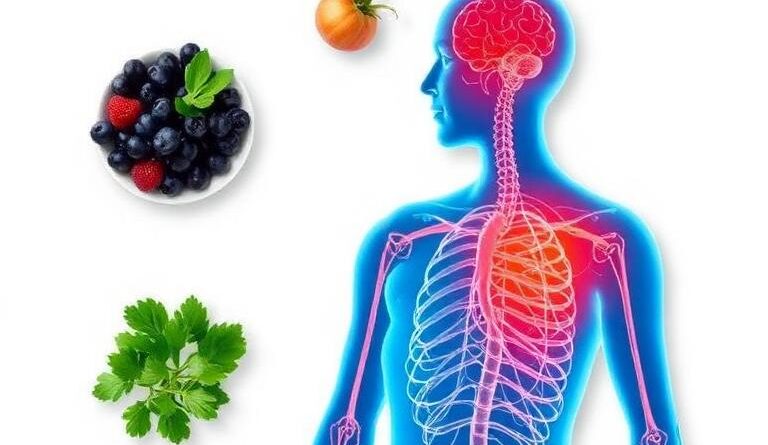
9 Best Foods for Nerve Repair: Nutritional Strategies for Neuroprotection and Peripheral Nerve Regeneration
The maintenance of the nervous system is heavily dependent on specific micronutrients and bioactive compounds that facilitate cellular repair and signal transduction. Chronic nutritional deficiencies or high-proinflammatory dietary patterns can exacerbate peripheral neuropathies and impede the myelin sheath’s natural regenerative processes. By optimizing the intake of neurotropic vitamins and antioxidants, patients may support axonal health and mitigate the progression of nerve degeneration.
The Pathophysiological Link Between Diet and Neurobiology
Dietary intake is the primary source of the enzymatic cofactors and structural lipids required for axonal integrity. A deficiency in essential nutrients often leads to increased oxidative stress and systemic inflammation, which are primary drivers of neuronal apoptosis and demyelination. Integrating targeted nutrients can enhance the metabolic environment necessary for nerve repair and neuroprotection.
- Nutrient-Dense Requirements: Neurons require high concentrations of specific vitamins to maintain the electrochemical gradients necessary for signaling.
- Mitigation of Oxidative Stress: Poor dietary choices elevate reactive oxygen species (ROS), which target the lipid-rich myelin sheath.
- Regenerative Support: Specific bioactive compounds stimulate Nerve Growth Factor (NGF) and support the structural restoration of damaged fibers.
1. Vitamin B Complex: Essential Coenzymes for Neuronal Homeostasis
The B-complex vitamins serve as indispensable cofactors in DNA synthesis, energy production, and the maintenance of the myelin sheath. Deficiencies in these vitamins—particularly B1, B6, and B12—are clinically linked to various forms of peripheral neuropathy. Ensuring therapeutic levels of these vitamins is a cornerstone of nutritional neurology.
Vitamin B12 (Cobalamin): Myelin Sheath Integrity
Cobalamin is a vital cofactor in the synthesis of myelin, the insulating layer that ensures rapid nerve impulse conduction. Sources include:
- Tuna and Salmon
- Sardines
- Greek Yogurt
Vitamin B1 (Thiamine): Oxidative Glucose Metabolism
Thiamine is essential for the conversion of carbohydrates into energy, a process the high-metabolic-demand nervous system relies upon. Sources include:
- Sunflower seeds
- Legumes (Black beans, Lentils)
- Green peas
Vitamin B6 (Pyridoxine): Neurotransmitter Synthesis
Pyridoxine facilitates the synthesis of GABA, dopamine, and serotonin, while also aiding in the absorption of B12. Sources include:
- Spinach
- Poultry (Chicken)
- Fatty fish (Salmon/Tuna)
Vitamin B2 (Riboflavin): Metabolic Synergy
Riboflavin acts as a precursor to flavoproteins, which are necessary for the activation of other B vitamins and the protection of the myelin sheath. Sources include:
- Soybeans and Almonds
- Asparagus
- Beets
2. Leafy Cruciferous and Green Vegetables: Micronutrient Density
Leafy greens provide a concentrated source of Alpha-Lipoic Acid (ALA) and various phytochemicals that exhibit potent antioxidant properties. These vegetables assist in the regulation of blood glucose levels, which is a critical factor in preventing diabetic neuropathy. Their high magnesium content also aids in muscular relaxation and nerve transmission stability.
- Phytochemical Profile: High concentrations of Vitamins A, C, and K, alongside folate.
- Neuropathic Analgesia: Clinical evidence suggests ALA found in these greens can reduce symptoms of burning and tingling.
- Key Varieties: Spinach, Kale, Broccoli, and Asparagus.
3. Zingiber officinale (Ginger): Bioactive Anti-Inflammatory Agents
Ginger contains gingerols and shogaols, which inhibit the pro-inflammatory pathways (such as COX-2) that contribute to nerve irritation. By improving systemic microcirculation, ginger ensures that oxygen and essential nutrients are efficiently delivered to peripheral nerve tissues.
- Cytokine Regulation: Suppresses the production of pro-inflammatory cytokines that trigger nerve pain.
- Vasodilation: Enhances blood flow to ischemic nerve endings, promoting a healing environment.
- Application: Fresh root infusions or concentrated ginger oils.
4. Low-Fat Dairy: Calcium Homeostasis and Amino Acid Profiles
Dairy products provide the calcium ions $(Ca^{2+})$ necessary for neurotransmitter release and the propagation of action potentials. Additionally, they contain Acetyl-L-carnitine, which has been studied for its ability to improve nerve conduction velocity and reduce neuropathic pain in clinical settings.
- Ionic Signaling: Maintains the necessary electrolyte balance for neural communication.
- Structural Proteins: Provides the amino acid building blocks for cellular repair.
- Recommended Sources: Greek yogurt and cottage cheese for high protein-to-fat ratios.
5. Antioxidant-Rich Fruits: Flavonoids and Polyphenols
The high concentrations of Quercetin, Resveratrol, and Vitamin C in various fruits offer a multi-layered defense against oxidative damage. These antioxidants neutralize free radicals that would otherwise degrade the axonal membranes and mitochondrial function within the nerve cells.
- Quercetin (Apples): May alleviate mechanical allodynia and thermal hyperalgesia.
- Resveratrol (Grapes): Provides neuroprotective effects by activating Sirtuin-1 pathways.
- Vitamin C (Citrus): Crucial for collagen synthesis and the repair of connective tissues surrounding nerves.
6. Seeds and Nut Kernels: Essential Fatty Acids and Minerals
Seeds and nuts are dense sources of magnesium and Alpha-Linolenic Acid (an omega-3 fatty acid), both of which are critical for stabilizing nerve membranes. Magnesium acts as a natural calcium channel blocker, preventing the neuronal hyperexcitability that often manifests as chronic pain.
- Magnesium Loading: Pumpkin seeds offer high magnesium levels to support nerve relaxation.
- Omega-3 Content: Flax and chia seeds support the lipid bilayer of neuronal cells.
- Regenerative Support: Provides the trace minerals necessary for enzymatic repair processes.
7. Lean Proteins: Substrates for Axonal Regeneration
The repair of damaged nerve fibers requires a consistent supply of essential amino acids, which serve as the primary structural components of cellular architecture. Lean proteins also provide heme-iron and zinc, which are vital for oxygen transport and cellular division within the nervous system.
- Amino Acid Bioavailability: Chicken and turkey provide tryptophan, a precursor to serotonin.
- Micronutrient Support: Lean beef provides zinc, a key player in DNA synthesis and tissue repair.
- Tissue Maintenance: Supports the metabolic demands of the peripheral nervous system.
8. Omega-3 Polyunsaturated Fatty Acids (PUFAs)
The nervous system is the second most lipid-rich organ in the body after adipose tissue; therefore, the intake of Docosahexaenoic acid (DHA) and Eicosapentaenoic acid (EPA) is vital. These fatty acids are integrated into the phospholipid bilayer of nerve cells, enhancing fluidity and signaling efficiency.
- Anti-Inflammatory Resolution: Promotes the production of resolvins, which actively dampen inflammatory responses.
- Neuroprotection: High intake of fatty fish (Salmon, Mackerel) is associated with reduced risk of neurodegenerative decline.
- Cellular Integrity: DHA is a primary structural component of the human brain and peripheral nerves.
9. Persea Americana (Avocado): Monounsaturated Fats and Tocopherols
Avocados are unique for their high concentration of monounsaturated fatty acids (MUFAs), which support the vascular health necessary for nourishing the “vasa nervorum”—the small blood vessels that supply nerves. Their vitamin E content acts as a lipid-soluble antioxidant, protecting cell membranes from peroxidation.
- Membrane Fluidity: MUFAs support the structural integrity of the neuronal plasma membrane.
- Potassium Levels: High potassium content assists in maintaining the resting membrane potential of neurons.
- Vascular Support: Improves overall circulation to peripheral extremities.
Dietary Contraindications for Nerve Health
To maximize the efficacy of a neuroprotective diet, it is imperative to eliminate substances that induce systemic inflammation or metabolic dysfunction. High-glycemic diets and toxins can lead to the formation of Advanced Glycation End-products (AGEs), which are directly neurotoxic.
- Refined Carbohydrates/Sugars: Induce hyperglycemic states that damage the microvasculature of nerves.
- Ethanol Consumption: Excessive alcohol intake is a direct neurotoxin, often leading to “Alcoholic Polyneuropathy.”
- Industrial Trans Fats: Promote systemic inflammation and impair lipid metabolism within the myelin.
If you think this information is useful you can…
Get updates and read additional stories on the Health Orbit Fan Page.
For Guest posts, sponsored posts and other details, please click the ‘Contact Us’ page.