
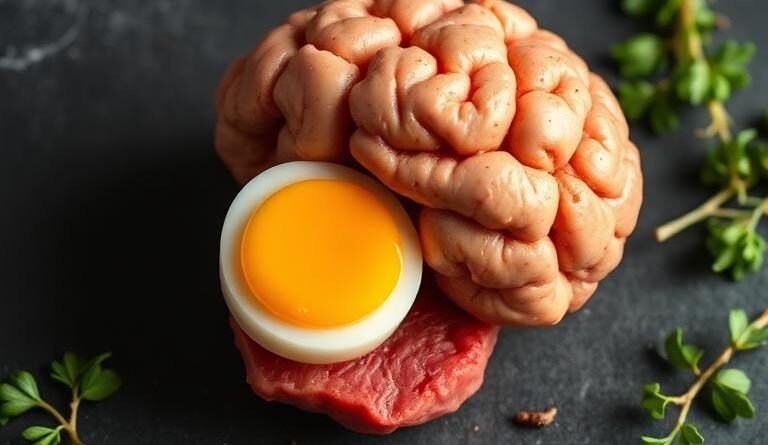
Does Protein Help With Focus and Concentration?
When you need to study, work through a long meeting, or stay mentally sharp during a demanding day, food may be one of the factors affecting your performance. Protein is often associated with muscle growth and physical recovery, but it also plays an important role in the brain. It supplies the amino acids needed for neurotransmitter synthesis, supports satiety, and may help maintain steadier energy levels.
So, does protein directly improve focus and concentration? The answer is nuanced. Protein is not a magic “brain booster,” and eating more of it does not automatically make you more alert. However, consuming enough protein as part of a balanced diet may indirectly support concentration—and, in some situations, a protein-rich meal may improve short-term alertness and mental performance.
How Protein Supports the Brain?
Protein is made up of amino acids. These amino acids are used throughout the body to build and repair tissues, but they also contribute to the production of neurotransmitters—chemical messengers that help nerve cells communicate.
Some amino acids are involved in pathways related to dopamine, norepinephrine, and serotonin. These neurotransmitters influence motivation, mood, attention, alertness, sleep, and stress responses. Research on dietary amino acids shows that a meal’s protein content and composition can affect the availability of amino acids involved in neurotransmitter production, although the effects are complex and do not always translate into improved cognition.
Tyrosine, for example, is a precursor involved in the production of dopamine and norepinephrine. These neurotransmitters are associated with attention and alertness. Under stressful or cognitively demanding conditions, tyrosine has been studied for its possible role in supporting mental performance. That does not mean that everyone needs a tyrosine supplement. It simply illustrates why adequate protein intake is relevant to brain function.
Related Story
Protein After 40: Why It Matters for Your Brain as Well as Your Muscles?
Protein and Stable Energy
One of the most practical ways protein may support concentration is by helping create a more satisfying and balanced meal.
A meal made mostly of refined carbohydrates—such as sweetened cereal, pastries, or white bread—may provide quick energy, but it may not keep you full for long. Hunger can become a major distraction, and large fluctuations in blood glucose may leave some people feeling tired, irritable, or mentally unfocused.
Adding protein to the meal can slow digestion, improve satiety, and help reduce the urge to snack soon afterward. A protein-rich breakfast study found improved satiety and concentration compared with lower-protein alternatives, although the study did not show a reduction in total daily energy intake.
This distinction is important. Protein may help you feel more prepared to focus because you are less distracted by hunger. It may also help you avoid the cycle of eating a sugary snack, experiencing a temporary lift, and then feeling sluggish later.
What Does the Research Show?
Research does not support the idea that simply increasing protein intake will dramatically improve cognitive performance in every person. In one controlled breakfast study, changing the protein-to-carbohydrate ratio affected glucose and insulin responses but did not yield statistically significant improvements in the cognitive measures tested.
Other research has reported benefits. A dairy-based, protein-rich breakfast was associated with greater satiety and a modest improvement in concentration-test scores compared with certain lower-protein breakfast conditions. However, the results were specific to the study participants, meal composition, and testing conditions.
These findings suggest that protein may help concentration in particular situations, especially when:
- You are hungry or have skipped a meal.
- Your usual breakfast is low in protein and high in refined carbohydrates.
- You need sustained attention for several hours.
- You are trying to maintain a more consistent eating pattern.
- You are not consuming enough total protein or calories.
At the same time, protein cannot compensate for sleep deprivation, dehydration, chronic stress, or an unbalanced diet. If you are exhausted, a protein shake is unlikely to produce the same benefit as adequate sleep.
Related Story
Can Protein Help Reduce Stress? Understanding the Gut–Brain Connection
Protein, Hunger, and Mental Distraction
Hunger can affect concentration in several ways. It may make it harder to stay engaged with a task, increase irritability, and encourage frequent breaks to search for food. Protein is generally more filling than carbohydrates or fat per calorie, although the overall meal composition matters.
For example, compare these two breakfasts:
Breakfast A: A sweet pastry and a sugary drink.
Breakfast B: Greek yogurt with oats, berries, and nuts.
Breakfast B provides protein, fiber, and a slower-digesting combination of nutrients. It may keep you satisfied longer and reduce the likelihood of a midmorning energy slump. The benefit may come less from protein “powering” the brain directly and more from supporting steadier appetite and energy.
This is why protein is best viewed as part of a concentration-supportive meal rather than as a standalone solution.
How Much Protein Do You Need?
Protein needs vary according to age, body size, activity level, health status, and goals. Many healthy adults can meet their needs with regular meals that include eggs, dairy products, fish, poultry, beans, lentils, soy, nuts, seeds, and lean meat.
Rather than focusing only on a large amount of protein at dinner, it may be helpful to distribute protein across the day. A moderate protein serving at breakfast and lunch can be particularly useful if you tend to feel hungry or unfocused during the morning and afternoon.
The exact amount should be individualized. People with kidney disease or other medical conditions may need specific guidance from a doctor or dietitian before significantly increasing protein intake.
Good Protein Choices for Focus
A balanced meal combines protein with fiber-rich carbohydrates, healthy fats, and fluids. Practical options include:
- Eggs with whole-grain toast and vegetables.
- Greek yogurt with fruit, oats, and seeds.
- Lentils with brown rice and salad.
- Cottage cheese with fruit and whole-grain crackers.
- Tofu or tempeh with vegetables and quinoa.
- Fish with potatoes and steamed vegetables.
- A bean-and-vegetable wrap with whole-grain bread.
- Milk or fortified soy milk blended with fruit and oats.
A protein shake can be convenient, especially when you are busy, but it should not automatically replace nutrient-rich meals. Check the product’s sugar content and choose one that fits your dietary needs.
Related Story
Protein and Mental Health: Is There Really a Connection?
Protein Is Only One Piece of the Puzzle
Focus depends on several interacting factors. Sleep is especially important because insufficient sleep can impair attention, memory, reaction time, and decision-making. Hydration also matters, as even mild dehydration may contribute to fatigue and difficulty concentrating.
Other supportive habits include:
- Eating regular, balanced meals.
- Including vegetables, fruit, whole grains, and healthy fats.
- Limiting excessive alcohol.
- Taking short movement breaks.
- Managing stress.
- Reducing unnecessary phone and notification distractions.
- Using caffeine carefully and avoiding it too late in the day.
Protein can support these habits, but it cannot replace them.
The Bottom Line
Protein may help with focus and concentration, particularly by supporting neurotransmitter production, improving fullness, and contributing to steadier energy. Some studies report better concentration after protein-rich breakfasts, while others find no meaningful cognitive advantage. The evidence therefore supports a balanced conclusion: protein is helpful for overall brain and body nutrition, but it is not a guaranteed cognitive enhancer.
A practical approach is to include a moderate protein source in each main meal, especially breakfast, and combine it with fiber-rich carbohydrates, vegetables or fruit, healthy fats, and adequate water. If concentration problems are persistent or severe, look beyond diet and consider sleep, stress, medications, mood, and possible medical causes with a qualified healthcare professional.
For most people, the goal is not to eat as much protein as possible. It is to eat enough protein consistently, as part of a varied and balanced diet that gives the brain the conditions it needs to work well.
Related Story
10 High-Protein Breakfasts Under 500 Calories
If you think this information is useful, you can…
Get updates and read additional stories on the Health Orbit Fan Page. & Instagram Page
For Guest posts, sponsored posts and other details, please click the ‘Contact Us’ page.