
Pulmonary Embolism Explained: How a Blood Clot in the Leg Can Trigger Sudden Chest Pain
A small cut while shaving or a nick from a kitchen knife reminds us how essential blood clotting is. It’s the body’s natural defense against bleeding. But when a clot forms where it shouldn’t—or travels to critical organs—it can turn dangerous in a matter of minutes.
One of the most serious examples of this is pulmonary embolism (PE), a condition where a blood clot blocks an artery in the lungs. What makes it particularly alarming is that it often begins quietly in the legs and shows up suddenly as chest pain, breathlessness, or even collapse.
A 2024 study published in the journal Cureus highlights that pulmonary embolism (PE) is the third leading cause of cardiovascular mortality worldwide, following stroke and coronary artery disease, accounting for nearly one lakh deaths annually. According to Dr. Ajay Savlania, a vascular surgeon at PGIMER, Chandigarh, PE is part of a rapidly progressing clinical spectrum known as Venous Thromboembolism (VTE).
The condition often begins as Deep Vein Thrombosis (DVT), where a blood clot forms in the deep veins of the legs. If this clot becomes dislodged, it travels through the venous system to the right side of the heart and eventually lodges in the pulmonary artery. This blockage disrupts blood flow to the lungs, leading to pulmonary embolism—a condition that can quickly become life-threatening if not treated in time.
Understanding Blood Clots: Helpful vs. Harmful
Blood clotting is a survival mechanism. Without it, even minor injuries could be life-threatening. However, not all clots are beneficial.
When clots form inside veins—especially without an injury—they can obstruct blood flow or travel through the bloodstream. This is where complications begin.
Key points to understand:
- Normal clotting stops bleeding after injury
- Abnormal clotting occurs inside veins or arteries without external injury
- Dangerous clots can travel to vital organs, causing severe complications
- The most concerning scenario is when a clot reaches the lungs
Who is Susceptible?
Certain individuals face a significantly higher risk of developing pulmonary embolism (PE), particularly those who experience prolonged immobility. This includes patients on ventilators, individuals recovering from head injuries, and women in the postpartum phase. Extended bed rest—typically lasting 10 to 12 days—creates ideal conditions for the development of Virchow’s Triad, a combination of three critical factors: reduced blood flow (stasis), damage to blood vessel walls, and increased blood clotting tendency (hypercoagulability). Together, these factors substantially elevate the likelihood of clot formation and subsequent PE.
Even outside hospital settings, remaining seated or standing for more than four to six hours—such as during long flights or sedentary work—can lead to blood pooling in the lower limbs, especially in susceptible individuals. This stagnation often initiates deep vein thrombosis (DVT), most commonly in the legs, due to slowed circulation and the effects of gravity.
Symptoms: When to Pay Attention
Pulmonary embolism often presents suddenly, making early recognition critical.
Common symptoms of PE:
- Sudden chest pain, especially while breathing
- Shortness of breath
- Rapid heart rate
- Lightheadedness or fainting
- Cough (sometimes with blood)
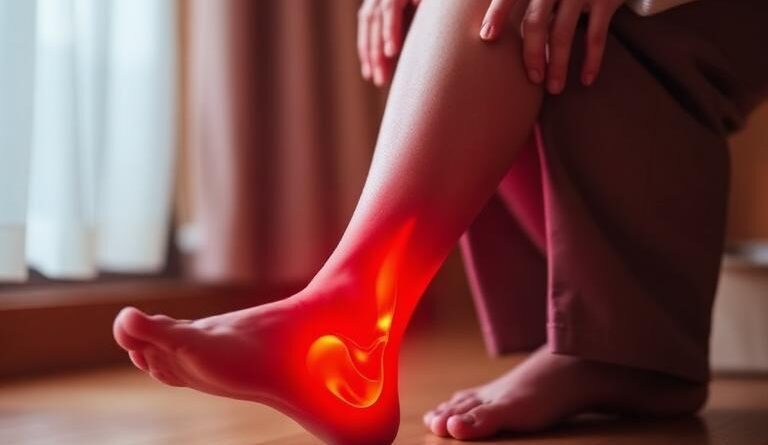
Symptoms of DVT (before it becomes PE):
- Swelling in one leg
- Pain or tenderness
- Warmth or redness in the affected area
From Legs to Lungs
The veins in the legs are particularly prone to clot formation because they act as natural reservoirs where blood can accumulate. Clots that develop in deeper veins—especially in the pelvis or upper thighs—pose a greater danger, as they are more likely to dislodge and travel to the lungs, causing a pulmonary embolism.
While not every case of DVT progresses to PE, individuals who have experienced one episode remain at a higher risk of recurrence compared to the general population. Research indicates that recurrence rates can range between 5% and 7% in certain high-risk groups.
Diagnosis: A Layered Approach
Diagnosing PE can be complex and often requires a combination of clinical evaluation and imaging techniques. The D-dimer blood test serves as an important initial screening tool due to its high ability to rule out clotting disorders when results are negative. However, it is not definitive on its own.
To confirm the diagnosis, physicians typically begin with a venous Doppler ultrasound to detect leg clots. If findings remain uncertain or if PE is strongly suspected, a CT Pulmonary Angiogram (CTPA) is performed. This imaging test is considered the gold standard for identifying clots in the lungs and confirming pulmonary embolism.
Practical Solutions: How to Reduce Your Risk
The good news is that many cases of DVT and PE are preventable with simple lifestyle adjustments and awareness.
1. Stay Active
- Avoid sitting or standing for long hours
- Take breaks every 1–2 hours during travel or desk work
- Walk around or stretch regularly
2. Hydration Matters
- Drink enough water to prevent blood thickening
- Avoid excessive alcohol or caffeine during long trips
3. Use Compression Stockings
- Especially useful for travelers and high-risk individuals
- Helps improve blood circulation in the legs
4. Post-Surgery Care
- Follow doctor’s advice strictly after surgery
- Use prescribed blood thinners if recommended
- Start movement as early as medically possible
5. Be Alert to Symptoms
- Don’t ignore leg pain or swelling
- Seek immediate help for sudden chest discomfort
6. Lifestyle Modifications
- Maintain a healthy weight
- Quit smoking
- Manage chronic conditions like diabetes and hypertension
Conclusion: A Silent Threat That Demands Attention
Pulmonary embolism is a classic example of how something seemingly minor—like a clot in the leg—can escalate into a life-threatening emergency. The connection between leg pain and sudden chest symptoms is not always obvious, which is why awareness becomes crucial.
Understanding the risks, recognizing early warning signs, and making small lifestyle changes can go a long way in prevention. In many cases, timely medical intervention can mean the difference between life and death.
In a fast-paced world where long hours of sitting and travel have become routine, paying attention to your body is no longer optional—it’s essential.
If you think this information is useful you can…
Get updates and read additional stories on the Health Orbit Fan Page.
For Guest posts, sponsored posts and other details, please click the ‘Contact Us’ page.