Hollywood’s New Wellness Confession: Kris Jenner Opens Up About Ozempic, Side Effects, and Hormone Health
For years, Hollywood treated weight loss like a magic trick. Celebrities appeared slimmer overnight, glowing beneath camera flashes while avoiding questions about how their transformations happened. But in 2026, the silence surrounding prescription weight-loss drugs had started to crack. And now, one of entertainment’s most influential matriarchs has stepped directly into the conversation.
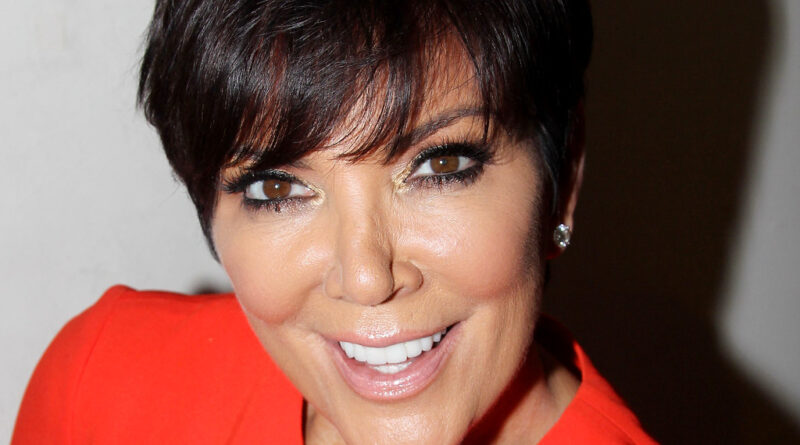
Kris Jenner has reportedly confirmed using Ozempic, the diabetes medication that has become synonymous with celebrity weight loss culture. Her admission has reignited debates surrounding body image, aging, hormone balance, and the hidden health costs of rapid transformation in Hollywood.
The revelation is significant not simply because Jenner is famous, but because she represents a generation of celebrity branding built on appearance, glamour, and reinvention. As the architect behind the Kardashian media empire, Jenner’s comments carry influence far beyond entertainment news. They shape wellness trends, cosmetic industries, and even public perceptions of aging.
At the center of the discussion is Ozempic, a prescription drug originally developed to help patients with Type 2 diabetes regulate blood sugar. In recent years, however, the medication exploded into mainstream popularity after reports surfaced that it dramatically reduced appetite and accelerated weight loss.
Hollywood embraced it quickly.
Social media users began speculating about sudden celebrity transformations. Red carpet appearances became fuel for online debates. Fitness experts, nutritionists, and physicians found themselves answering the same question repeatedly: “Is everyone on Ozempic?”
Now, Jenner’s openness appears to reflect a broader shift toward transparency, though critics argue that celebrity admissions often arrive only after the trend has already reshaped public expectations.
According to entertainment reports, Jenner discussed not only using the medication but also the physical side effects and hormonal challenges associated with aging. That detail has drawn particular attention from medical professionals, many of whom believe the Ozempic conversation has been oversimplified online.
Weight loss drugs do not operate in isolation. Hormones, metabolism, stress levels, sleep cycles, menopause, and aging all influence how bodies respond to such medications. For women in their fifties and sixties, especially, hormonal fluctuations can drastically alter weight distribution, energy levels, and appetite regulation.
Doctors have increasingly warned that celebrity portrayals of weight-loss drugs often omit these complexities.
Some patients using semaglutide-based medications report nausea, fatigue, digestive discomfort, muscle loss, or hormonal imbalances. Others describe emotional effects linked to rapid appetite suppression and drastic body changes. Medical experts continue studying the long-term consequences of widespread use.
Yet despite the risks, demand for the medication continues to surge globally.
Part of the fascination lies in modern culture’s obsession with visible transformation. Social media rewards dramatic “before and after” narratives. Thinness remains deeply connected to desirability and status in celebrity industries. In that environment, medications like Ozempic become more than pharmaceutical products — they become symbols of aspiration.
Jenner’s comments have therefore triggered mixed reactions online.
Some praised her honesty, arguing that transparency is healthier than secrecy. Others criticized celebrity normalization of prescription drugs for aesthetic goals. Health advocates have also raised concerns about shortages affecting diabetic patients who genuinely require the medication for medical treatment.
The discussion has become particularly intense among women navigating menopause and hormonal health changes. Many viewers resonated with Jenner’s acknowledgement that aging itself can dramatically alter metabolism and body composition.
For decades, celebrity culture promoted the illusion that beauty was effortless. Today, the illusion is being replaced by something more clinical: injections, hormone therapy, supplements, metabolic optimization, and medically supervised weight management.
The glamor remains. The vocabulary has changed.
In many ways, Jenner’s admission reflects a larger cultural transition. Wellness is no longer marketed purely through yoga retreats and green juices. It is increasingly tied to pharmaceuticals, biotechnology, and personalized hormone management.
Critics worry this trend risks medicalizing ordinary aging. Supporters counter that modern medicine should not be stigmatized when used responsibly under professional supervision.
Between those positions lies a difficult question: where does health end and cosmetic pressure begin?
The answer may differ for every individual. But one reality has become impossible to ignore — celebrity wellness culture now shapes public health conversations in unprecedented ways.
And when someone as influential as Kris Jenner speaks openly about Ozempic, the world listens.
If you think this information is useful you can…
Get updates and read additional stories on the Health Orbit Fan Page.
For Guest posts, sponsored posts and other details, please click the ‘Contact Us’ page.