
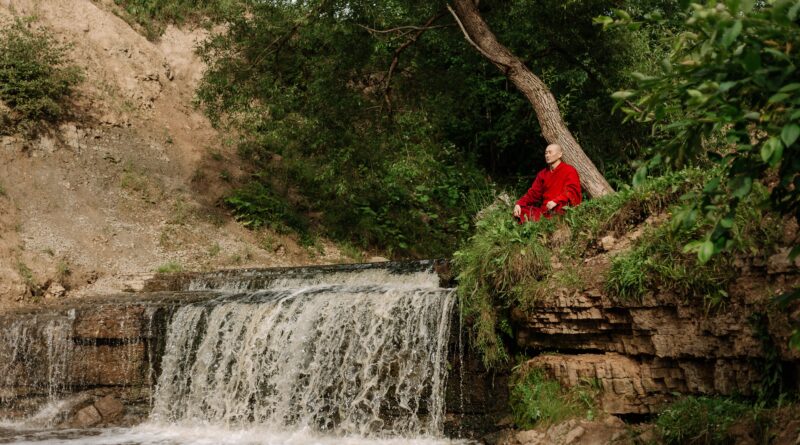
Meditation Near Water: Unique Benefits for a Calmer Mind and Healthier Life
There is something naturally calming about sitting beside a flowing river, a peaceful lake, or the endless ocean. The gentle rhythm of water, fresh air, and tranquil surroundings create the perfect environment for meditation. While meditation itself is well known for reducing stress and improving mental clarity, practicing it near a large water body can amplify these benefits.
Whether you are a beginner or an experienced meditator, choosing a location near water can help you feel more relaxed, focused, and emotionally balanced. Let’s explore why meditating near water is considered one of the most refreshing experiences for both the mind and body.
Why Water Enhances Meditation
Humans have always been drawn to water. Throughout history, rivers and lakes have served as places of healing, reflection, and spiritual practice. The soothing sound of flowing water naturally captures our attention without demanding mental effort, allowing the brain to settle into a relaxed state.
Unlike busy urban environments filled with traffic noise and distractions, natural water bodies create an atmosphere that encourages mindfulness and deep breathing.
Some ideal places include:
- Quiet lakes
- Flowing rivers
- Ocean beaches
- Mountain streams
- Waterfalls
- Peaceful reservoirs
1. Deepens Relaxation
One of the biggest advantages of meditating near water is its remarkable ability to promote deep relaxation.
The continuous sound of flowing water acts like natural white noise, helping reduce mental chatter and creating a peaceful environment. As your breathing slows, your muscles relax and your nervous system shifts toward a calmer state.
Benefits include:
- Reduced muscle tension
- Slower breathing
- Lower heart rate
- Improved mindfulness
- Greater sense of calm
Many people find that even a short meditation session near water feels more restorative than practicing indoors.
2. Helps Reduce Stress Hormones
Modern lifestyles often expose us to constant stress, deadlines, notifications, and information overload. Meditation near water offers a natural escape from these pressures.
Research suggests that spending time in natural environments can help reduce cortisol—the body’s primary stress hormone. Combining meditation with nature may further enhance this calming effect.
It may help:
- Reduce anxiety
- Improve emotional stability
- Lower stress levels
- Encourage relaxation
- Promote a more positive mood
This makes waterfront meditation particularly beneficial for people experiencing work-related stress or burnout.
3. Boosts Mental Clarity
Many people notice improved concentration after meditating outdoors, especially near rivers or lakes.
Fresh air, natural surroundings, and fewer distractions allow the brain to recover from mental fatigue. Some natural environments near moving water may also have higher concentrations of negative air ions, which have been studied for their possible effects on mood and alertness, although evidence is still evolving.
Meditation near water may support:
- Better focus
- Clearer thinking
- Improved creativity
- Enhanced decision-making
- Reduced mental fatigue
If you often feel mentally exhausted, spending even 15–20 minutes beside a peaceful water body can help refresh your mind.
4. Encourages Emotional Balance
Water has long been associated with emotional healing and renewal.
During meditation, observing gentle waves or listening to flowing water encourages acceptance and emotional release. Instead of resisting difficult emotions, you learn to acknowledge them without judgment.
Emotional benefits include:
- Reduced emotional tension
- Increased patience
- Better resilience
- Greater inner peace
- Improved self-awareness
Over time, this practice can help improve emotional well-being and strengthen your ability to cope with life’s challenges.
5. Supports Better Sleep
If stress or racing thoughts keep you awake at night, meditation near water may help improve sleep quality.
Evening meditation beside a calm lake or river helps prepare both the mind and body for restful sleep. The peaceful environment naturally slows mental activity, making it easier to unwind.
Better sleep may include:
- Falling asleep faster
- Deeper sleep
- Fewer nighttime awakenings
- Improved morning energy
- Better recovery
Regular meditation can also support healthy sleep habits over the long term.
6. Strengthens Your Connection with Nature
Modern life often keeps us indoors, surrounded by screens and artificial environments. Meditation near water offers an opportunity to reconnect with nature.
Observing the movement of water, listening to birds, and feeling the breeze encourages gratitude and presence. This deeper connection with the natural world can improve overall life satisfaction.
Related Story
Yoga for Healthy Ageing: Can This Ancient Practice Slow the Aging Process?
Nature-based meditation promotes:
- Mindfulness
- Gratitude
- Presence in the moment
- Reduced digital fatigue
- Greater appreciation for the environment
Many people describe feeling emotionally refreshed after spending quiet time near water.
Tips for Meditating Near Water
To make the most of your meditation practice, choose a safe and comfortable location.
Consider these practical tips:
- Visit during sunrise or sunset for a peaceful atmosphere.
- Choose a quiet spot away from crowds.
- Sit comfortably on a mat or flat rock.
- Switch your phone to silent mode.
- Focus on your breathing and the sound of the water.
- Begin with 10–20 minutes if you’re new to meditation.
- Stay hydrated and wear weather-appropriate clothing.
- Avoid meditating too close to strong currents or unsafe shorelines.
Consistency matters more than duration. Even a few minutes of mindful practice can provide noticeable benefits.
Final Thoughts
Meditation near a large water body is more than a relaxing experience—it is a powerful way to support your mental, emotional, and physical well-being. The calming sounds of water, fresh air, and natural surroundings create an ideal environment for reducing stress, sharpening focus, improving sleep, and fostering emotional balance.
Whether you choose a quiet riverside, a peaceful lake, or the ocean shore, taking time to meditate in nature can help you disconnect from daily pressures and reconnect with yourself. With regular practice, these moments of stillness can become an important part of a healthier, more balanced lifestyle.
Related Story
Is Yoga A Good Replacement For Cardio Or Strength Training?
If you think this information is useful, you can…
Get updates and read additional stories on the Health Orbit Fan Page.
For Guest posts, sponsored posts and other details, please click the ‘Contact Us’ page.



Your passion for your subject matter shines through in every post. It’s clear that you genuinely care about sharing knowledge and making a positive impact on your readers. Kudos to you!